August 11–12, 2026 • Knoxville, TN
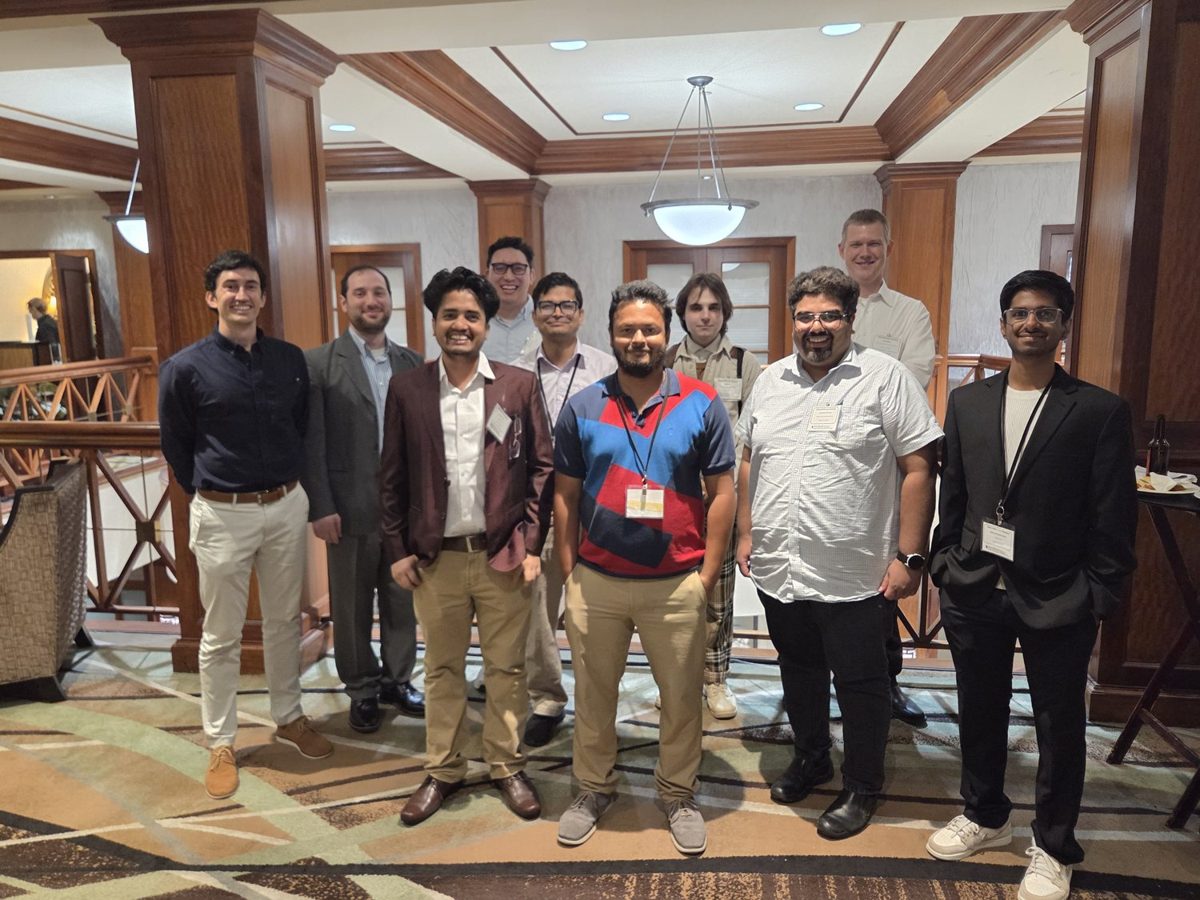
TN-QuMat trainees and researchers presented their work at the 2026 Center for Nanophase Materials Sciences (CNMS) User Meeting, held August 11–12 in Knoxville, Tennessee. Two trainees gave contributed talks, and the team presented eight research posters on topics ranging from quantum many-body simulation and machine learning to first-principles studies of magnetic materials.
Five of the presenters came to the meeting from TN-QuMat’s summer research program, which placed trainees on site at Oak Ridge National Laboratory (ORNL) for ten weeks. The meeting gave them a chance to present their results to the wider research community and to build on their collaborations with ORNL scientists.
About CNMS and the User Meeting
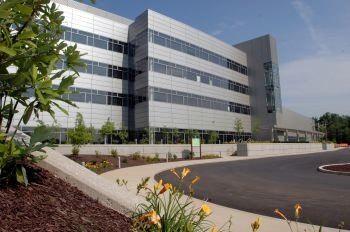
CNMS is a U.S. Department of Energy Office of Science user facility at ORNL and one of the department’s five Nanoscale Science Research Centers. It gives researchers from universities and industry access to ORNL expertise and capabilities in nanomaterials synthesis, nanofabrication, imaging and characterization, and theory, modeling, and simulation.
The annual User Meeting brings CNMS users and staff together to exchange scientific results and strengthen connections across the user community. The 2026 meeting drew 246 registrants, with 61 poster presenters and five workshops. The program included plenary talks by Peter Abbamonte (University of Illinois Urbana-Champaign) on quantum geometry and entanglement, Jeremiah Johnson (MIT) on macromolecules and metals, and David Broun (Simon Fraser University) on overdoped cuprates. Contributed sessions covered soft matter and functional materials, AI and machine learning, and quantum and nanoscale materials, alongside a town hall, a student poster slam, and a poster reception. Workshops on the second day addressed neutron scattering, cleanroom tools, autonomous synthesis, self-driving laboratories, and chiral magnetism.
Contributed Talks
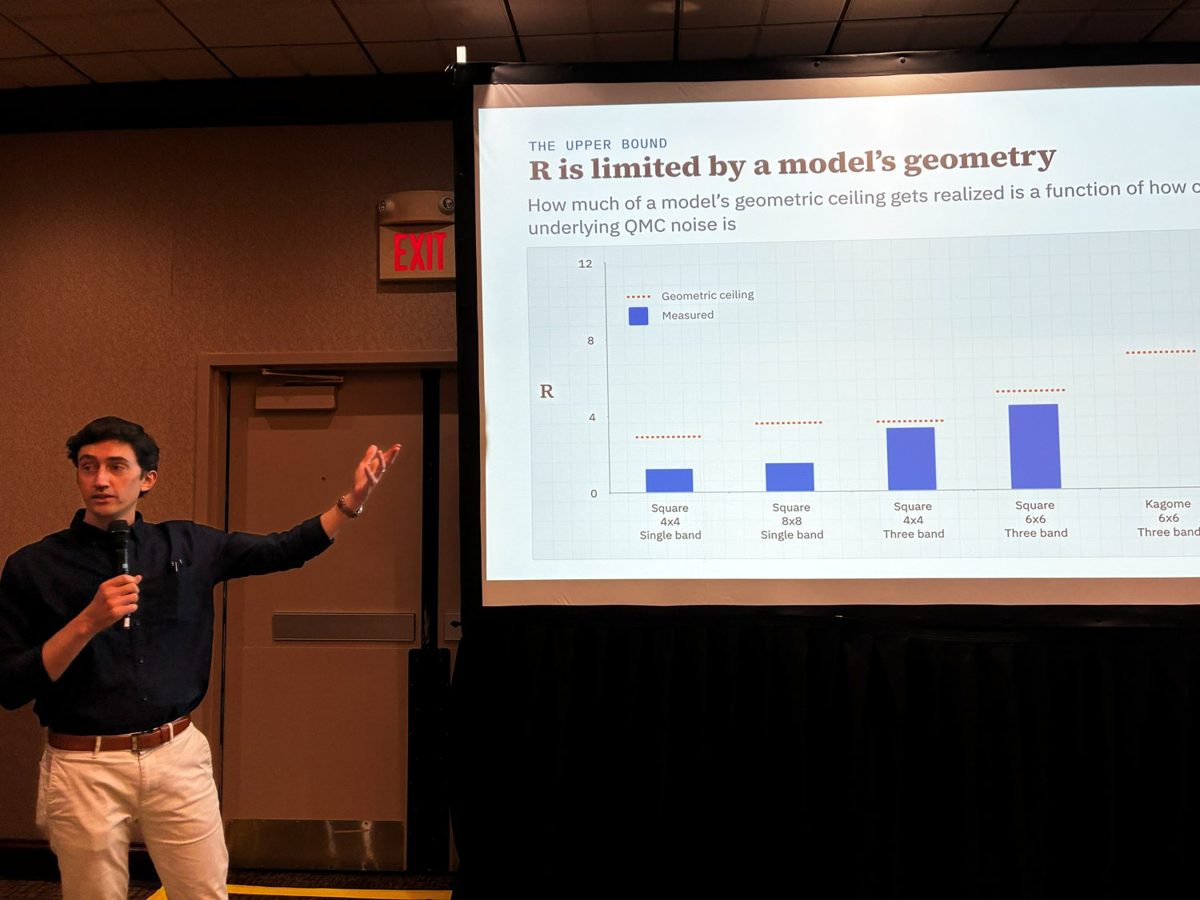
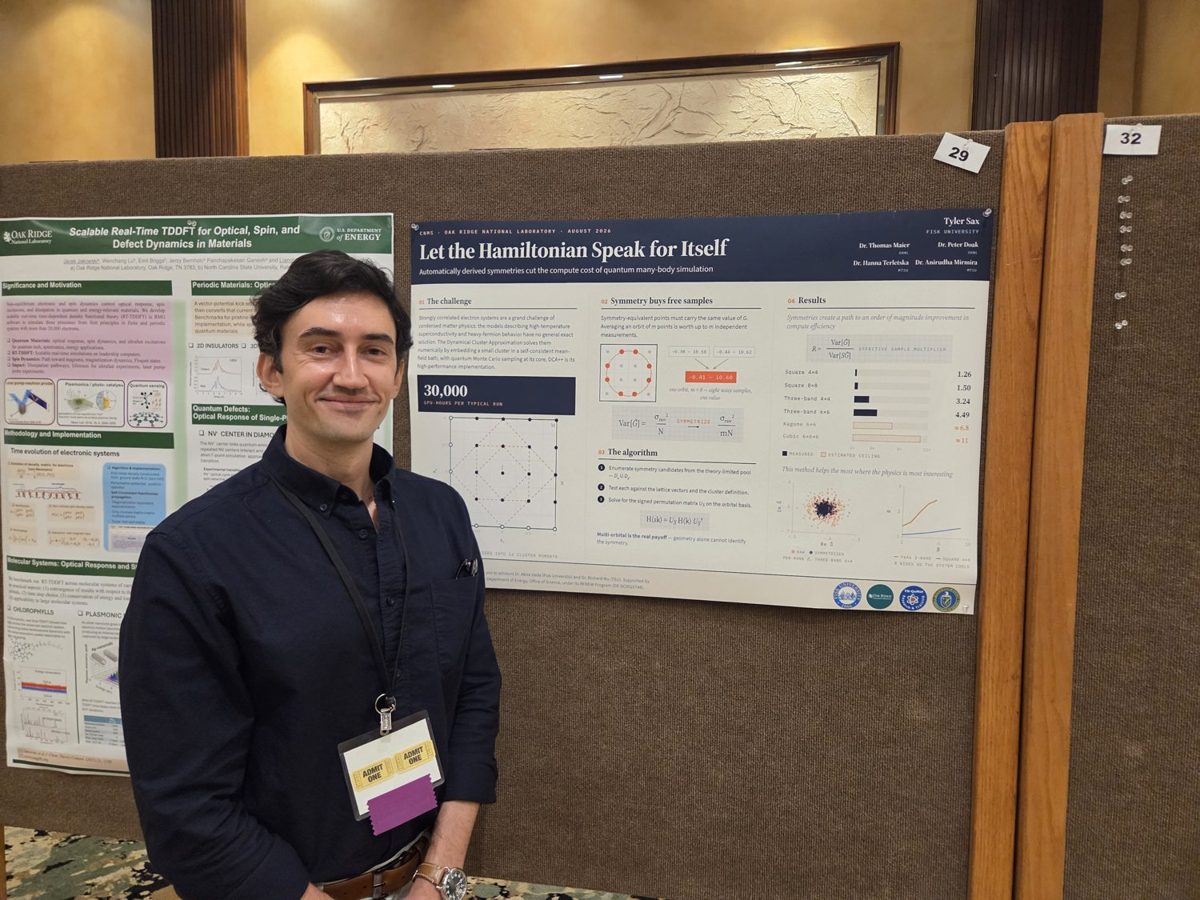
- Tyler Sax (Fisk University and TSU): “Let the Hamiltonian Speak for Itself: Automatically-Derived Symmetries in DCA.” Working with ORNL scientists Thomas A. Maier and Peter Doak, Tyler showed how symmetries derived automatically from the Hamiltonian can reduce the computational cost of quantum many-body simulations. Tyler also presented this work as a poster.
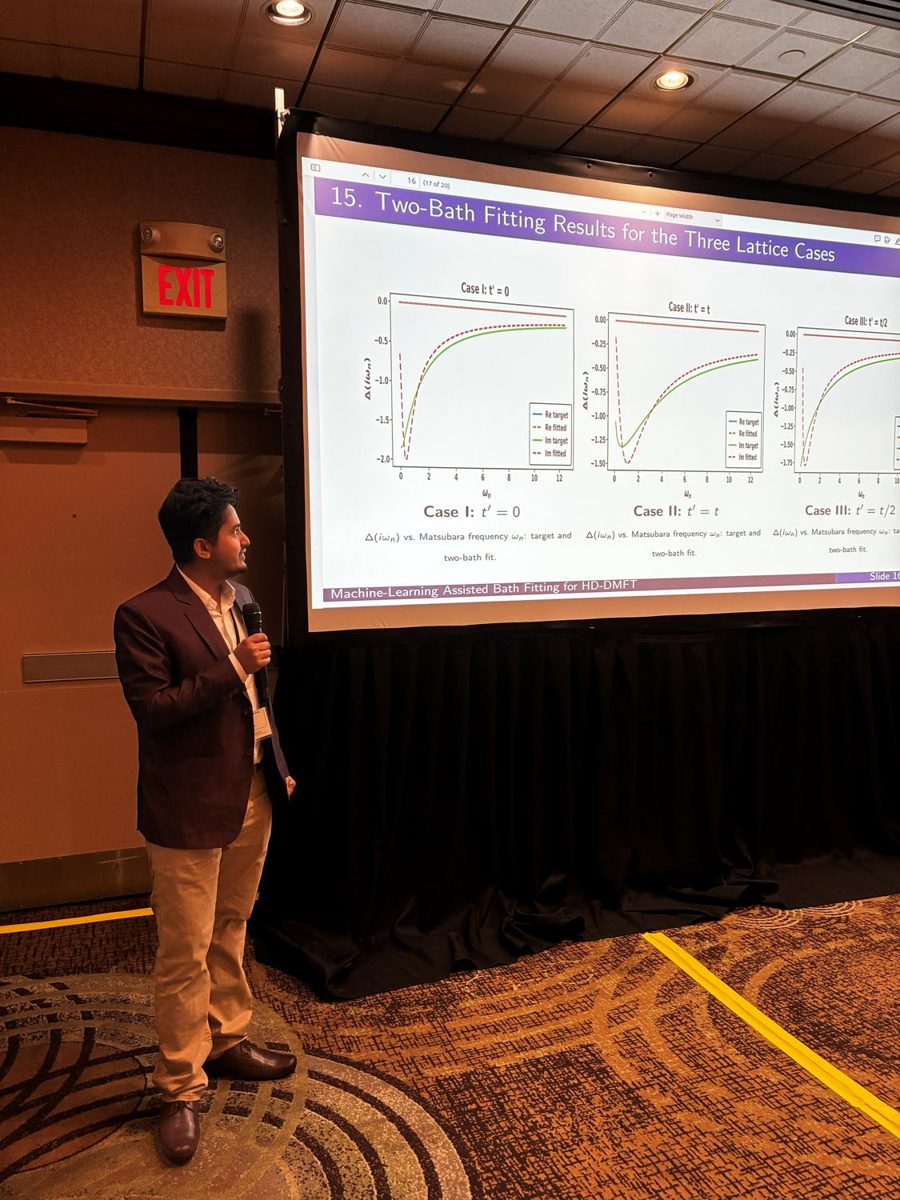
- Bishal Tiwari (MTSU and Virginia Tech): “Machine-Learning Assisted Bath Fitting of Anderson Impurity Models for Dynamical Mean-Field Theory.” Working with Hanna Terletska (MTSU) and ORNL scientists Markus Eisenbach and Swarnava Ghosh, Bishal used machine learning to fit the parameters of Anderson impurity models, which are central to dynamical mean-field theory.
Trainee Posters
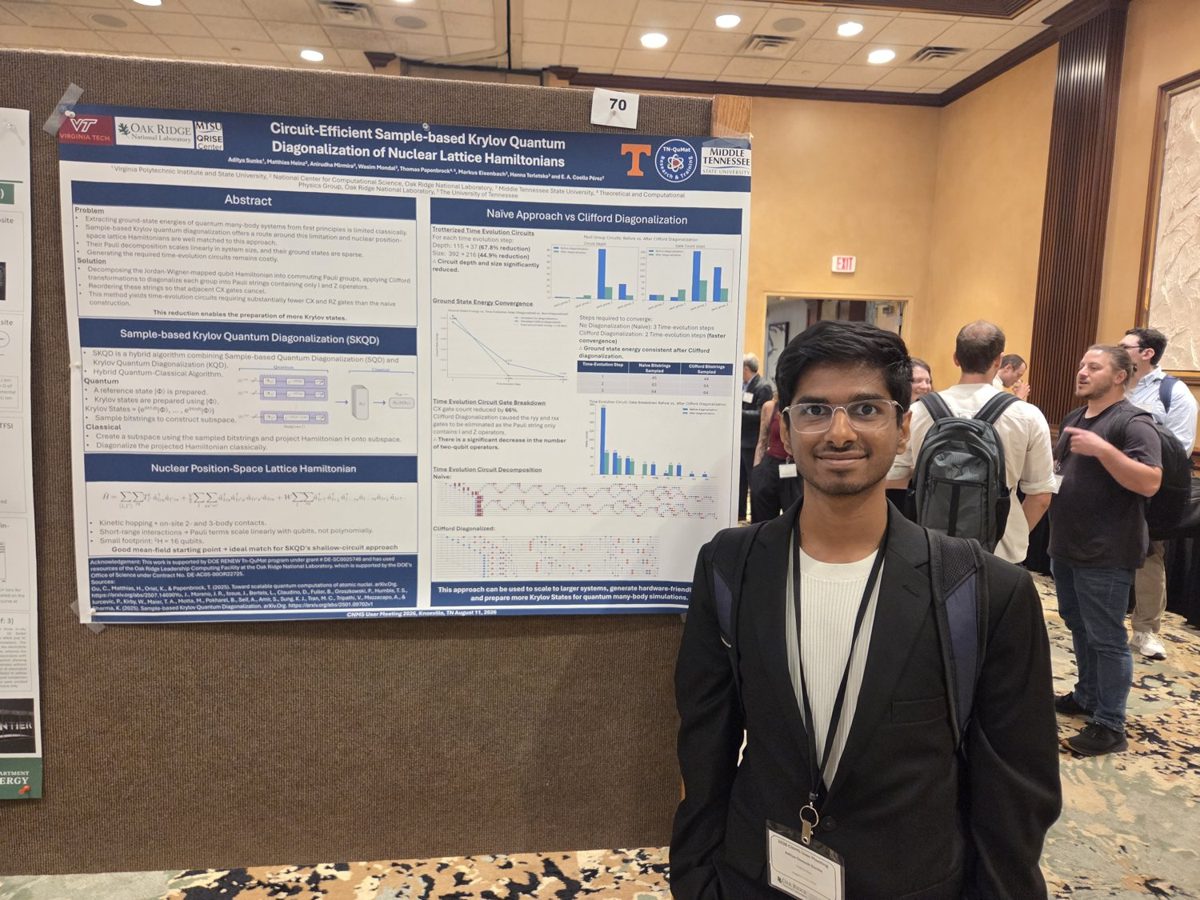
- Aditya Sunke (MTSU and Virginia Tech): “Circuit-Efficient Sample-Based Krylov Quantum Diagonalization of Nuclear Lattice Hamiltonians.” With Hanna Terletska and ORNL scientists Matthias Heinz, Markus Eisenbach, and E. A. Coello Perez, Aditya studied the ground states of quantum many-body Hamiltonians relevant to nuclear physics.
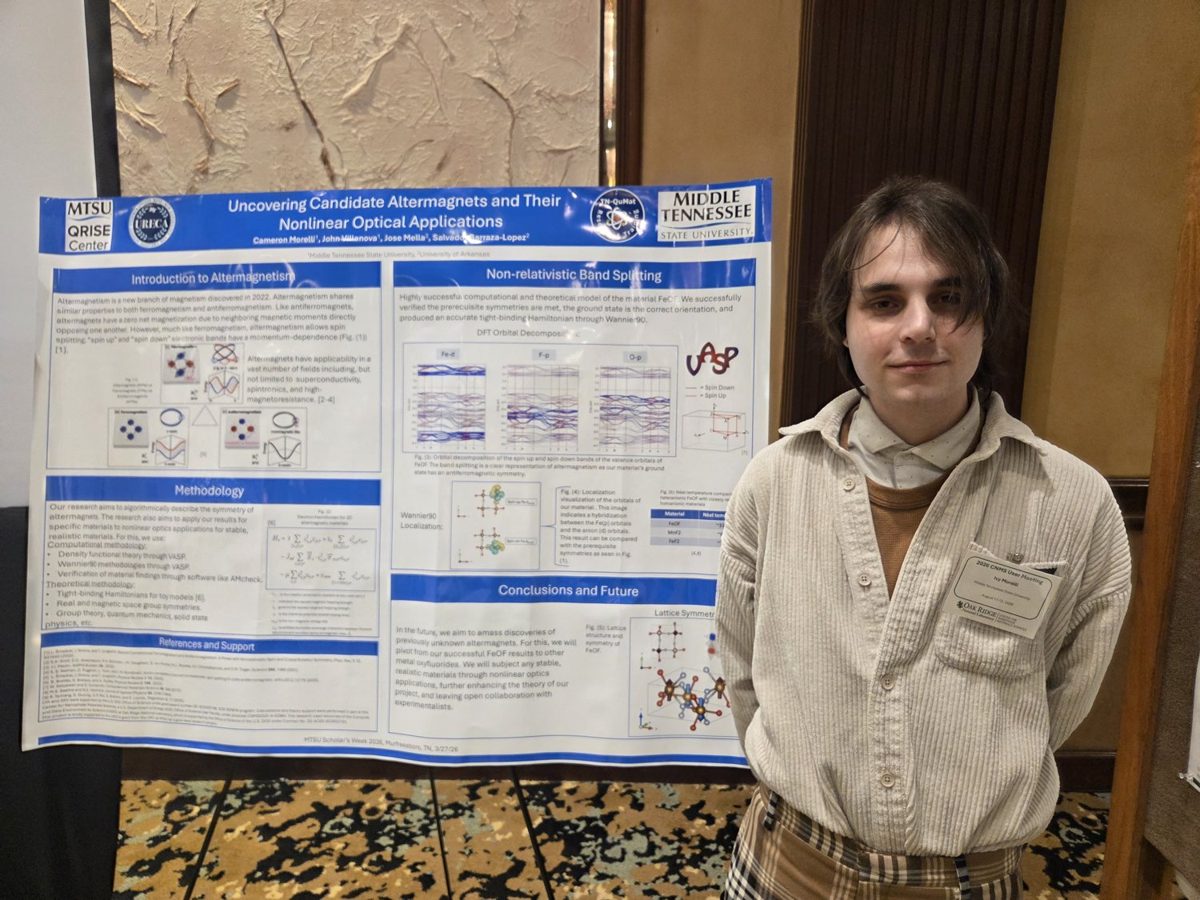
- Ivy Morelli (MTSU): “Uncovering Candidate Altermagnets and Their Nonlinear Optical Applications.” With Jack Villanova (MTSU) and ORNL scientists Tom Berlijn and Thomas A. Maier, Ivy examined nonrelativistic spin splitting in altermagnets, a new class of magnetic materials.
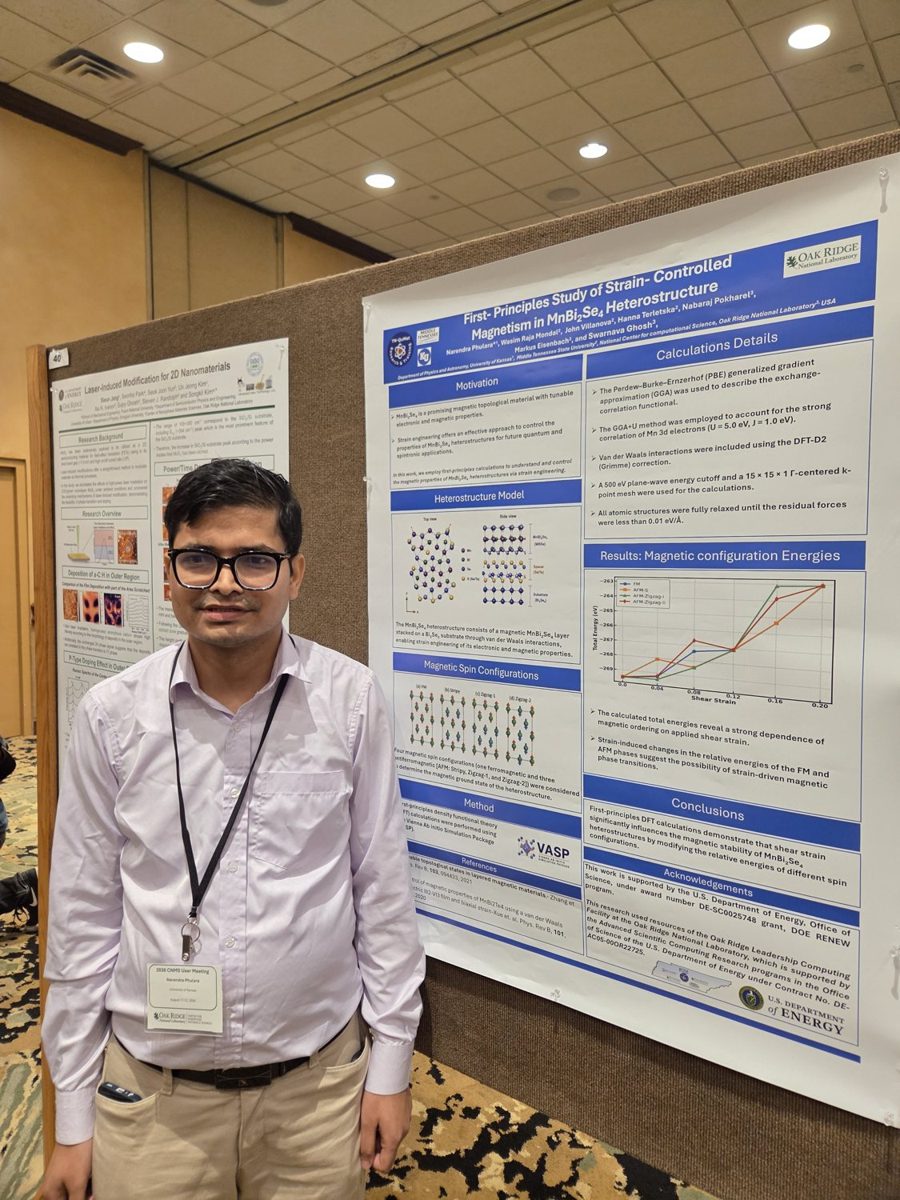
- Narendra Phulara (MTSU and University of Kansas): “First-Principles Study of Strain-Controlled Magnetism in MnBi2Se4 Heterostructures.” With Jack Villanova and ORNL scientist Swarnava Ghosh, Narendra calculated the lowest-energy magnetic configurations of heterostructures containing magnetic topological materials.
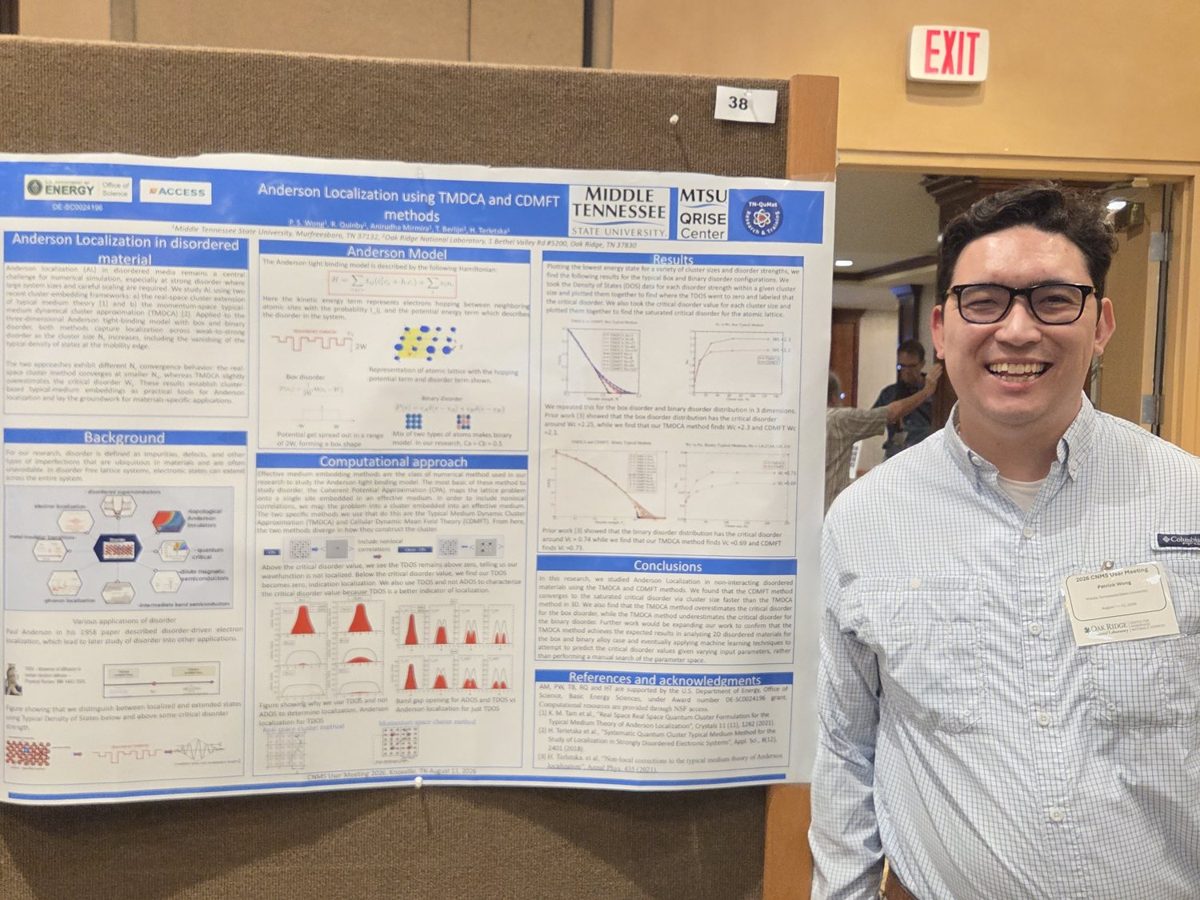
- Patrick Wong (MTSU): “Anderson Localization Using TMDCA and CDMFT Methods.” With Hanna Terletska and ORNL scientist Tom Berlijn, Patrick compared cluster-embedding methods for disorder-driven electron localization in models with box and binary disorder.
Postdoctoral and Faculty Research
TN-QuMat postdoctoral researchers and faculty also presented posters and supported many of the trainee projects:
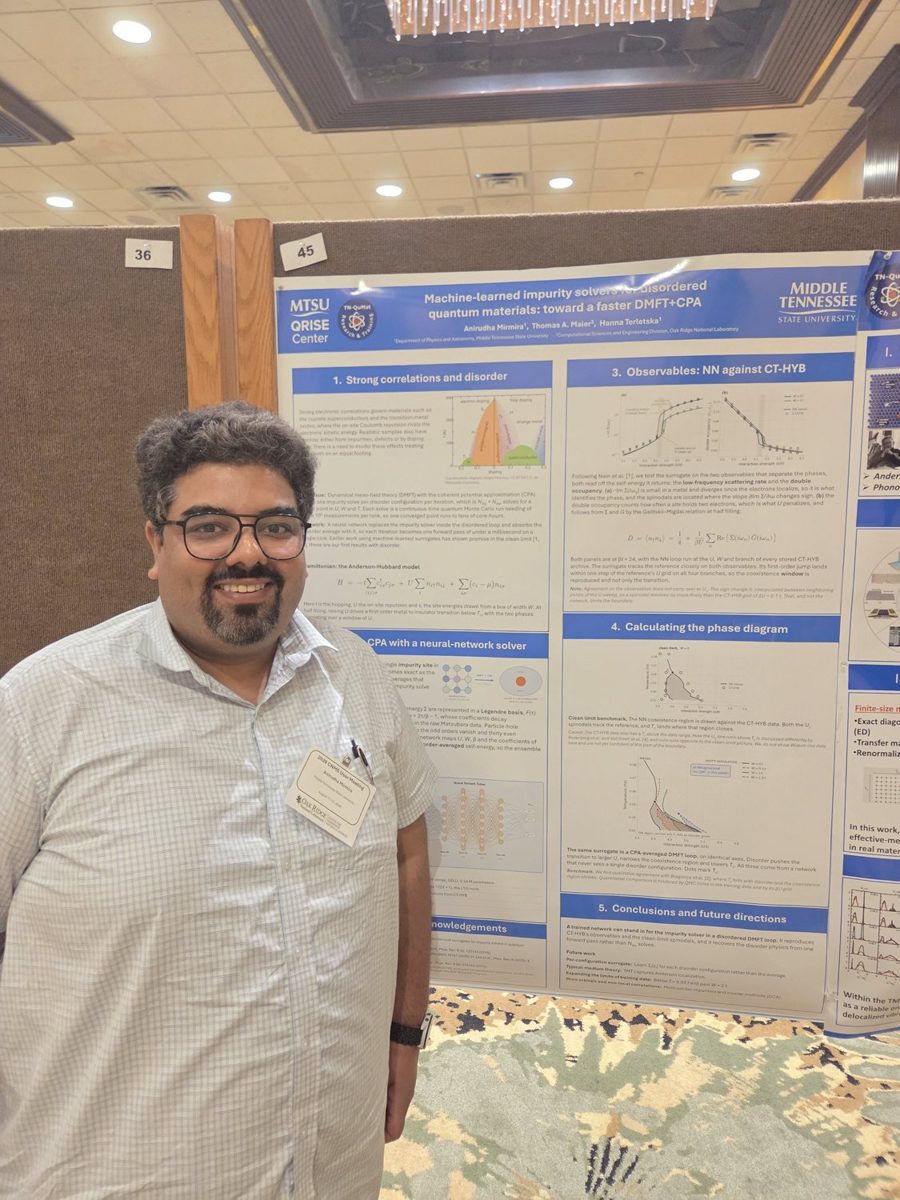
- Anirudha Mirmira (MTSU): “Machine-Learned Impurity Solvers for Disordered Quantum Materials: Toward a Faster DMFT+CPA.”
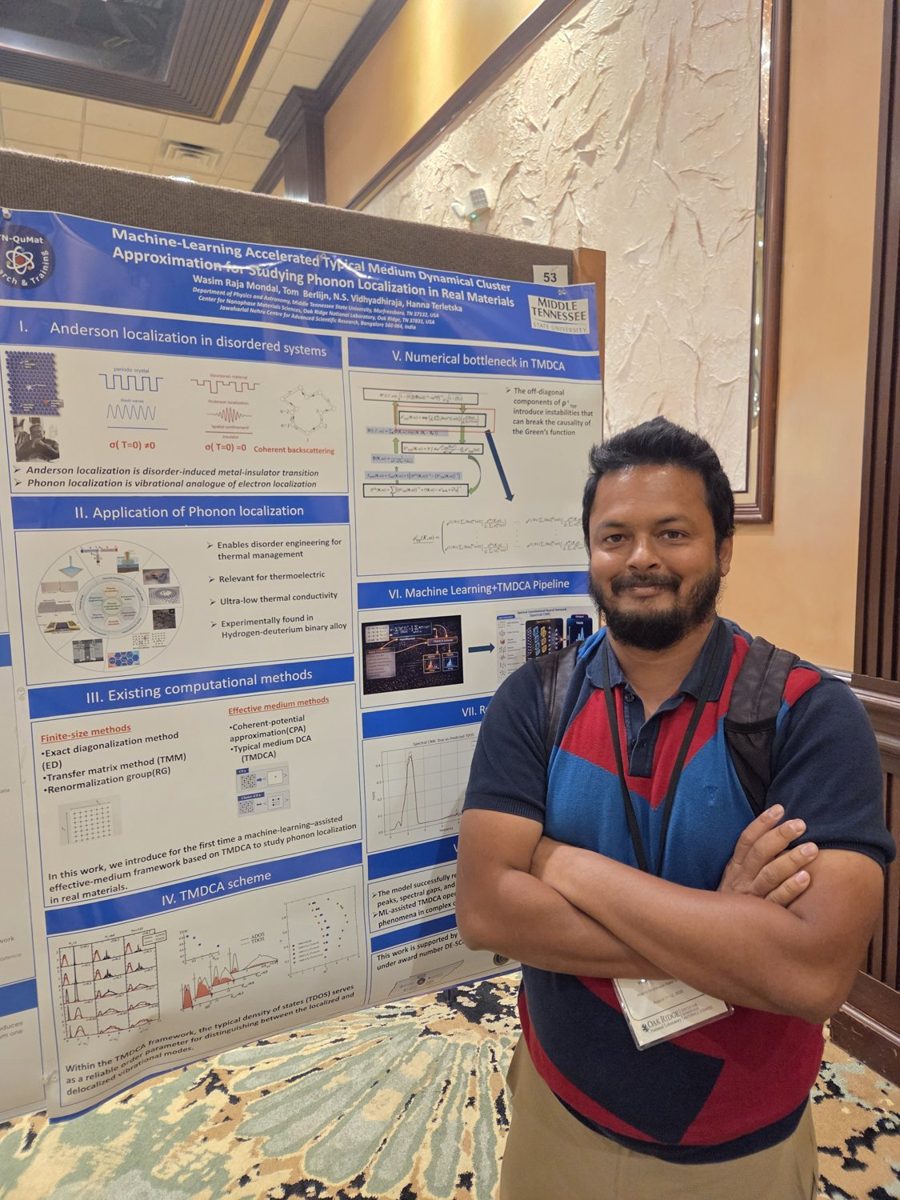
- Wasim Mondal (MTSU): “Machine-Learning Accelerated Typical Medium Dynamical Cluster Approximation for Studying Phonon Localization in Real Materials.”
- Jack Villanova (MTSU): “Controlling Superconductivity via Electron Doping in YFe2Ge2.”
Building Pathways into Quantum Research
For TN-QuMat, a DOE RENEW partnership among MTSU, Tennessee State University, Fisk University, Meharry Medical College, and ORNL, the meeting reflects a central goal of the program: connecting trainees with national laboratory research and giving them experience sharing their results with the scientific community. Attending also gave the team an opportunity to strengthen existing collaborations and begin new ones with scientists at ORNL and across the country.
Photos
Acknowledgment
TN-QuMat is supported by the U.S. Department of Energy RENEW program under award DE-SC0025748. CNMS is a U.S. Department of Energy Office of Science user facility at Oak Ridge National Laboratory. For more about TN-QuMat, visit https://tn-qumat.org.